 Prana Bloom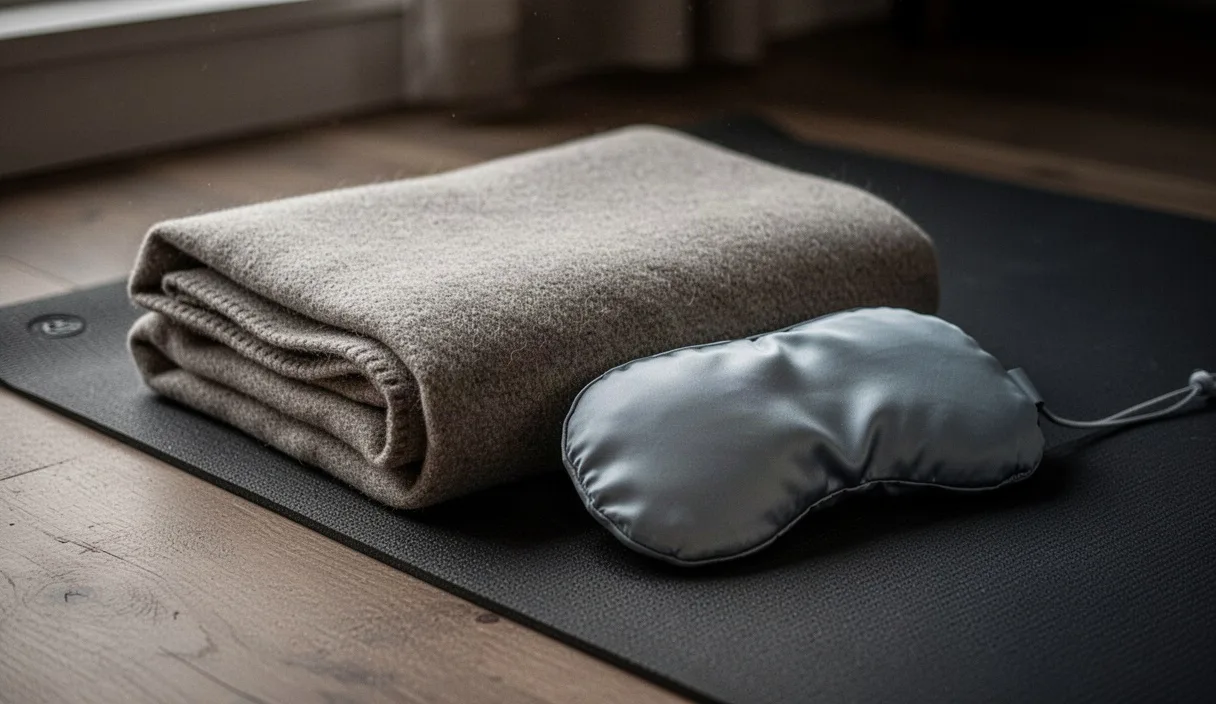
Savasana ends an active practice. The body rests flat on the floor, quiet and motionless. The pose asks for complete release of muscular effort. Many practitioners find this shape demanding on an unyielding floor. Tension lingers in the lower back, neck, and shoulders when the body lacks support.
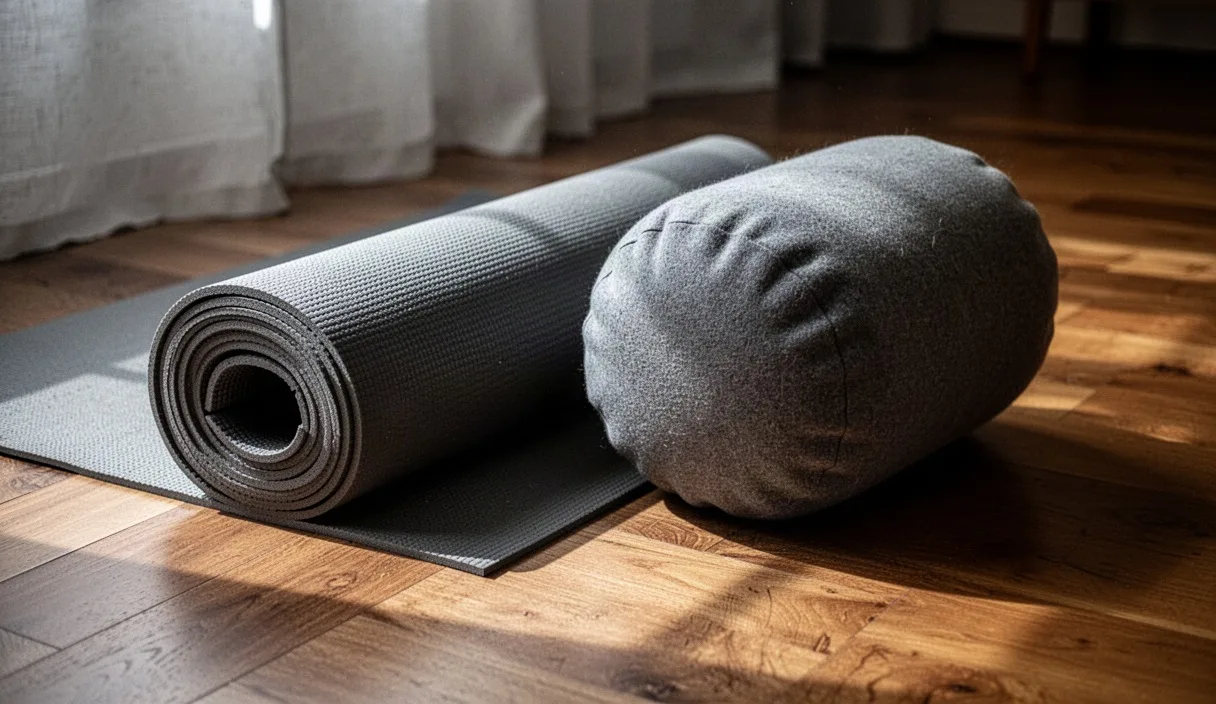
Home spaces offer props that studio environments sometimes lack. Cushions, wool blankets, and quiet corners alter how the nervous system settles. A thoughtful arrangement takes five minutes to prepare. That brief preparation changes the quality of the rest that follows.
The physiological purpose of corpse pose
The posture invites the sympathetic nervous system to yield to the parasympathetic state. Heart rate slows during quiet lying down. Blood pressure drops as the large muscle groups stop contracting. The diaphragm shifts from rapid movement to a steady, autonomic cadence.
Sensory input decreases when the eyes close and the limbs stop moving. The brain processes fewer external signals. Proprioceptive receptors in the joints quiet down when surfaces carry the weight of the limbs. This stillness allows the vascular system to redistribute blood flow toward the internal organs.
Rest also allows mental integration. Movement sequences stimulate motor pathways and balance systems. Savasana gives the brain time to map those movement patterns without fresh demands. Practitioners with chronic pain or cardiovascular concerns should consult a medical professional about prolonged supine rest.
| System | Active state | Resting state in Savasana |
|---|---|---|
| Nervous system | Sympathetic dominance | Parasympathetic dominance |
| Heart rate | Higher beats per minute | Resting pulse rate |
| Respiration | Voluntary, active diaphragm | Autonomic, quiet breathing |
| Skeletal muscle | Continuous micro-contractions | Passive mechanical release |
Ten to twenty minutes of quiet lying down produces this shift. Less than eight minutes often leaves the body in a halfway state. More than twenty-five minutes can lead to sleep, which has different neural characteristics than conscious rest. Aim for twelve to fifteen minutes for a balanced home practice.
Bolster placement under knees
Lying flat on a floor pulls the lumbar spine forward. The psoas major muscles attach to the lumbar vertebrae and run over the pelvis to the thighs. When the legs lie straight on the floor, tight hip flexors tilt the pelvis anteriorly. This creates a hollow space under the lower back and strains spinal ligaments.
A bolster under the knees bends the hip joints slightly. This small flexion releases tension on the psoas. The pelvis rotates posteriorly into a neutral alignment. The lumbar spine lengthens and rests closer to the floor surface.
Selecting the right support
- A cylindrical yoga bolster with a diameter of six to eight inches.
- A rectangular cotton-stuffed bolster for a wider, flatter surface under both legs.
- Two rolled firm blankets if a commercial bolster is unavailable.
- A firm couch cushion or bed pillow folded double.
Positioning the bolster
- Sit on the mat with knees bent and feet flat on the floor.
- Slide the bolster directly behind the knee creases.
- Lower the spine slowly to the floor, using the elbows for support.
- Let the feet fall open away from each other.
- Check that the heels rest comfortably on the mat surface.
If the heels hang in the air, move the bolster slightly closer to the hips. The calves should rest on the slope of the prop. The heels must touch the mat or a folded blanket to ground the lower limbs.
Blanket support for the back of the neck
The cervical spine requires support that respects its natural inward curve. When the head rests on a hard floor without a prop, the chin often juts toward the ceiling. This position compresses the back of the neck and restricts the airway. It also signals alertness to the suboccipital muscles at the base of the skull.
A small lift beneath the head restores balance. The chin should drop slightly below the level of the forehead. This relationship relaxes the throat, the jaw, and the muscles around the eyes. Too thick a pillow pushes the head forward and flexes the neck too much.
Folding a blanket for cervical support
- Take a standard Mexican cotton yoga blanket or dense wool blanket.
- Fold the blanket into a neat rectangle roughly eighteen inches wide and twenty-four inches long.
- Roll the bottom edge of the blanket upward by two or three inches to create a low cylinder.
- Place the folded edge under the back of the head.
- Position the small roll flush against the tops of the shoulders so it fills the cervical hollow.
The roll must stop at the shoulders. It should not raise the shoulder blades off the floor. The back of the skull rests on the flat section of the blanket, while the roll cushions the neck curve.
| Head alignment | Chin position | Effect on neck |
|---|---|---|
| No blanket (flat floor) | Tilted upward | Cervical compression, active throat muscles |
| Too much support (thick pillow) | Pressed toward chest | Cervical flexion, airway restriction |
| Measured fold with neck roll | Slightly lower than forehead | Neutral curve, relaxed suboccipital area |
Those with a pronounced forward-head posture may need a higher stack. Add a second flat fold under the head while keeping the neck roll the same size. Anyone recovering from a cervical spine injury should seek guidance from a physical therapist before using firm neck rolls.
Temperature regulation during extended stillness
Metabolic heat drops quickly when physical movement ends. The heart pumps less blood to the extremities. Skin temperature can fall two to four degrees within ten minutes of lying motionless on a floor. Drafts near baseboards accelerate this heat loss.
Shivering prevents nervous system settling. If the body feels cold, muscles contract involuntarily to produce heat. A blanket applied before lying down prevents the body from chilling. It is harder to recover warmth once shivering begins than it is to preserve initial heat.
Managing drafts and floor chill
Hardwood, tile, and concrete floors draw heat out of the body through conduction. A single thin mat provides little insulation. Lay a thick blanket over the entire mat surface before beginning your practice. This layer isolates you from cold ground temperatures.
Cover the torso and legs with a second blanket. Wool, cotton flannel, or fleece materials offer good thermal retention without heavy weight. Tuck the blanket edges around the feet and under the sides of the hips. This traps an envelope of still, warm air around the body.
Optional weight and eye coverage
Gentle weight on the pelvis or chest stimulates the vagus nerve. A third folded blanket laid across the hips provides comforting downward pressure. The weight should not exceed six or seven pounds. It should never restrict the breath.
Covering the eyes blocks ambient light and reduces visual stimulation. Use a silk or cotton eye pillow filled with flaxseeds. The light weight on the eyelids triggers the oculocardiac reflex, which gently slows the heart rate. A simple dark hand towel draped across the brow works well if an eye pillow is unavailable.
Awakening the body without haste
Ending the pose abruptly undoes much of the neuromuscular quiet. Blood pools in the trunk during supine rest. Standing up too quickly causes orthostatic hypotension, which brings dizziness and lightheadedness. The return to upright activity should take two to three minutes.
Begin by noticing the breath. Deepen the inhalation without forcing the chest to expand. Fill the belly first, then the ribs. The slow introduction of voluntary breath restarts active circulation.
Systematic movements
- Move the thumbs across the fingertips one by one.
- Circle the wrists in small rotations, then circle the ankles.
- Turn the head gently from side to side, letting the cheek brush the blanket.
- Draw one knee at a time toward the chest, holding the shins lightly.
- Roll completely onto the right side into a fetal position.
Rest on the side for four to six full breaths. Use the bottom arm as a pillow for the head. This sidelying pause gives the cardiovascular system time to equalize arterial pressure before you sit up.
Press the left hand into the floor in front of the chest. Push the torso up sideways, letting the head hang heavy until the spine is vertical. Sit quietly on a cushion or bolster for one minute. Open the eyes slowly, letting them focus on the floor before looking around the room.
Common mistakes
Small setup errors can pull attention away from quiet rest. Avoid these frequent adjustments:
- Skipping props when time is short. Practitioners often lie straight on the floor because setting up props takes effort. This often leads to restlessness five minutes into the pose.
- Leaving limbs too close to the body. Arms tucked close to the ribs create heat and muscle tension in the shoulders. Move the hands twelve to eighteen inches away from the hips, with palms turned upward.
- Letting the feet roll in. If the legs drop inward, the hip joints remain tense. Ensure the feet fall naturally outward over the sides of your bolster.
- Using an unsupportive bed. Resting on a soft mattress allows the spine to sink unevenly. A firm floor with props provides far better skeletal support for conscious stillness.
- Checking the clock. Looking at a phone or watch interrupts autonomic down-regulation. Set a soft, chimes-only audio timer and keep the screen out of view.
Practical next steps for daily practice
Set up your Savasana props before you begin any movement or meditation. Having the blankets folded and the bolster ready removes friction at the end of practice. You can transition straight from your final stretch into quiet rest without breaking focus.
Begin with a ten-minute duration. Use a phone timer set to an unobtrusive chime, or rely on a simple kitchen timer placed in an adjacent room. Keep a pair of warm socks and an extra blanket within reach of your mat space.
Notice how your body responds over three consecutive sessions. If your lower back feels tender, increase the height under your knees. If your neck feels tight, adjust the blanket fold by one inch. Refine the props until your body can lie still without shifting for the entire period.